
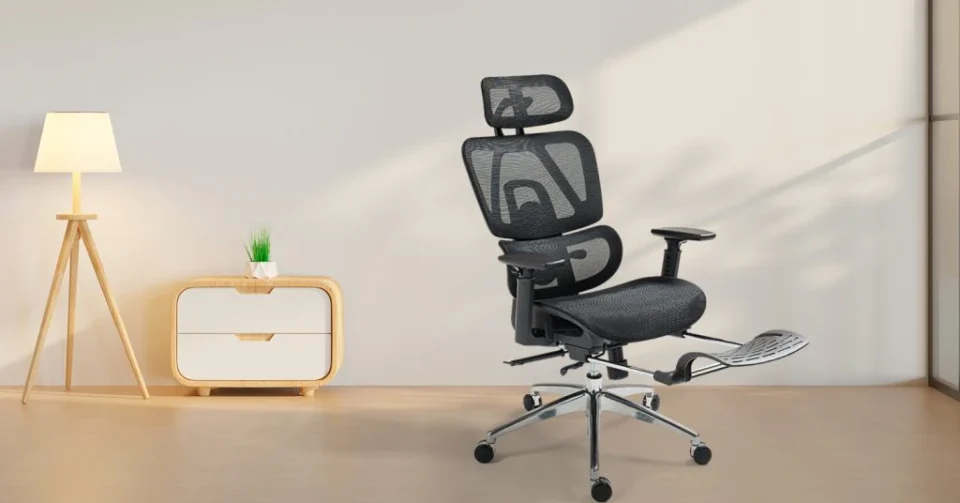
Sitting for long hours can progressively affect how the body feels, how focus works, and how energy stays stable during work. A well intended chair helps support posture, reduces strain, and keeps the body aligned through the day. Numerous individuals now look for smart seating choices like herman miller aeron because it mixtures support with modest design. Picking the right chair is not only about looks, it is about everyday ease and long term support.
Proper posture basics
A good chair retains the back conventional while supporting the natural curve, allowing the feet to rest flat, and helping the shoulders stay tranquil during long working hours.
Seat height adjustment
The correct height allows knees to align with hips, reducing pressure on legs, while making sure feet stay grounded for better balance and steady sitting posture.
Lumbar support importance
Lower back support stops slouching, keeps spine alignment natural, and reduces strain during extended sitting periods, helping maintain stable focus without causing unwelcome discomfort or fatigue.
Armrest positioning
Well placed armrests support elbows gently, reduce tension in shoulders, and help maintain relaxed posture, making it calmer to type, write, or perform tasks securely.
Material and breathability
Chairs with breathable materials allow airflow, reduce heat buildup, and keep the body feeling fresh, which aids preserve attention levels during long periods of placed work.
Simple buying tips
Selecting the right chair becomes easier when focusing on vital features that support everyday use, ensuring long period value and steady working comfort.
• Check adjustability options carefully to match personal sitting style and ensure the chair fits different working positions easily.
• Look for tough materials that keep shape and support over time without losing structure or causing discomfort during use.
• Test seat cushioning to ensure it provides balanced support without being too soft or too firm for daily use.
Tilt and recline function
A smooth tilt function allows slight movement, supports the back during shifts, and reduces stiffness, helping the body stay active even while sitting for extended hours.
Seat depth and width
A properly sized seat supports thighs evenly, prevents pressure points, and allows slight movement, helping maintain comfort while keeping the body balanced throughout the work routine.
Headrest support role
A cushion supports the neck gently, decreases strain during breaks, and helps maintain alignment, especially when leaning back for short moments of rest.
Daily chair habits
Small everyday habits improve how a chair supports the body over time, making long sitting periods easier and helping preserve better posture obviously.
• Adjust chair height every morning to match desk level, ensuring proper alignment for knees, hips, and feet.
• Keep back fully against support to maintain spine alignment and reduce pressure during extended sitting sessions daily.
• Take short standing breaks regularly to reduce stiffness and improve circulation throughout the body during work hours.
Selecting the right seating solution requires understanding how each feature supports daily use and long term body care. A well designed chair cheers proper alignment, decreases pressure, and supports consistent posture without exertion. When combined with modest habits like regular breaks and mindful sitting, the benefits become more noticeable over time. Options like herman miller aeron show how thoughtful design can improve sitting quality while supporting stable work routines, making it easier to stay focused and maintain stable posture throughout the day.
FAQs
Is lumbar support really needed?
Yes, lumbar support helps maintain spine shape, reduces pressure, and prevents discomfort during extended sitting sessions over time.
Can a chair improve productivity?
A supportive chair reduces body strain, helping maintain focus, which improves task completion and overall efficiency during long work hours.
